Austin’s changing seasons and heavy HVAC use make routine air duct maintenance especially important for homeowners. Choosing the right time to schedule duct cleaning can improve indoor air quality, boost system efficiency, and help lower energy costs.
The best time to clean air ducts in Austin is early spring or early fall, just before peak heating or cooling season begins. Scheduling service during these transitional months prepares your system for heavy summer cooling or winter heating and ensures it runs at its best year-round.
Why Timing Matters for Air Duct Cleaning in Austin
Austin’s climate directly impacts how often and when air ducts should be cleaned. With long, hot summers, high spring pollen levels, periodic cedar season in winter, and ongoing construction growth, HVAC systems in Central Texas work harder than in many other regions.
Over time, dust, allergens, and debris accumulate inside ductwork. When the system runs, these particles circulate throughout your home. Cleaning at the right time prevents:
- Reduced airflow
- Increased energy bills
- Circulated allergens
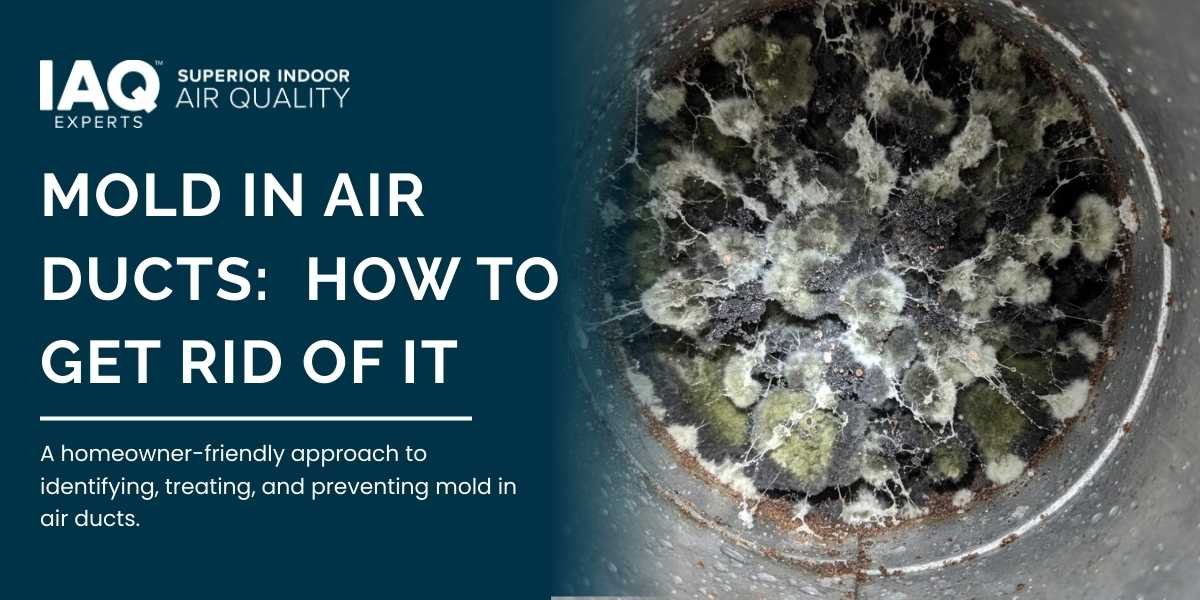
- Moisture buildup and potential mold growth
Proactive seasonal maintenance helps avoid these issues before peak HVAC demand.
Best Seasons to Clean Air Ducts in Austin
Spring (March–May) – Ideal for Allergy Prevention
Spring is one of the best times to schedule air duct cleaning in Austin. During this season, pollen levels spike, especially from oak, cedar, and other local trees.
Benefits of spring cleaning include:
- Removing winter dust buildup
- Reducing circulating allergens
- Preparing your AC system for heavy summer use
- Improving airflow before peak cooling season
For households with pets, asthma, or allergy sensitivity, spring cleaning can significantly improve indoor air quality.
Fall (September–November) – Prepare for Heating Season
Early fall is another optimal window for duct cleaning. After months of summer AC usage, ducts often contain accumulated dust and debris.
Advantages of fall cleaning:
- Eliminates summer buildup
- Prepares heating systems for winter
- Reduces musty odors
- Often more flexible scheduling compared to summer peak season
Fall maintenance ensures your HVAC system runs efficiently during cooler months.
Summer – When It’s Necessary
Austin summers are extremely hot, and air conditioners run constantly. While summer is not the ideal time due to higher service demand, cleaning may be necessary if you notice:
- Weak or uneven airflow
- Increased indoor dust
- Higher-than-normal energy bills
- Persistent musty smells
If these signs appear, it’s best not to wait.
Winter – Situational Cleaning
Winter cleaning is recommended if:
- You experienced severe cedar season symptoms
- You completed renovations
- You suspect mold growth
- Indoor air feels stale or irritating
Otherwise, spring and fall remain the most strategic times.
How Often Should You Clean Air Ducts in Austin?
In general, air ducts should be cleaned every:
- 3–5 years for average households
- 2–3 years for homes with pets
- More frequently if someone has allergies or respiratory issues
Because Austin experiences high pollen levels and rapid development, some homes may benefit from more frequent inspections.
Benefits of Cleaning Air Ducts at the Right Time
Improved Indoor Air Quality
Austin’s environment includes pollen, dust, and urban pollutants. Clean ducts reduce airborne particles circulating throughout your home.
Lower Energy Bills
When ducts are clogged, airflow becomes restricted. Your HVAC system must work harder, increasing energy consumption. Clean ducts help restore efficiency.
Longer HVAC System Lifespan
Reducing strain on system components helps extend the life of your heating and cooling equipment.
Reduced Allergy Symptoms
Removing allergens before peak seasons can minimize respiratory irritation, especially during spring pollen surges and winter cedar season.
Is Professional Air Duct Cleaning Worth It?
Professional air duct cleaning provides:
- Deep vacuum extraction
- Inspection for mold or debris
- Cleaning of hidden duct sections
- Proper resealing of system components
While basic vent cleaning can be done at home, professional service ensures thorough debris removal and system protection.
What Impacts Air Duct Cleaning Frequency in Austin?
Several local factors influence maintenance schedules:
- Living near construction zones
- Pet ownership
- High indoor humidity
- Heavy HVAC usage
- Recent storms or dust events
Homes in rapidly developing areas may accumulate debris faster than others.
Cost Considerations in Austin
Air duct cleaning costs depend on:
- Home size
- Number of vents
- System accessibility
- Contamination level
Scheduling during spring or fall may help avoid higher seasonal demand pricing.
Year-Round Maintenance Tips
To keep ducts cleaner for longer:
- Replace HVAC filters every 1–3 months
- Use high-quality MERV-rated filters
- Seal duct leaks
- Schedule annual HVAC inspections
- Keep vents clean and unobstructed
Routine maintenance reduces debris accumulation and improves overall system performance.
Final Thoughts
The best time to clean air ducts in Austin is early spring or early fall, before extreme seasonal temperatures increase HVAC demand. However, if you notice dust buildup, mold odors, or airflow problems, it’s best to schedule service immediately.
Proactive duct cleaning supports better indoor air quality, lower energy costs, and improved system efficiency — especially in Austin’s demanding climate.
Frequently Asked Questions
How do I know if my air ducts need cleaning?
Look for dust around vents, musty smells, uneven airflow, or increased allergy symptoms. A professional inspection can confirm deeper buildup.
Does air duct cleaning help with allergies in Austin?
Yes. Removing pollen, dust, and pet dander can significantly improve indoor air quality during allergy seasons.
Can mold grow inside air ducts in Austin?
Yes. High humidity levels can create conditions for mold growth, particularly if moisture accumulates in the system.
Should I clean air ducts after renovations?
Absolutely. Construction dust and debris often settle inside duct systems and should be removed before extended HVAC use.