Indoor plants are often celebrated as a simple, natural way to improve air quality. You’ve probably seen claims that adding a few leafy greens to your home can purify the air, reduce toxins, and even boost your health.
While there is some truth to this idea, it’s important to understand the limits. Plants can contribute to a fresher indoor environment—but they’re far from a complete solution.
In this article, we’ll look at how much indoor plants actually improve air quality, the best plants to choose, and what they simply can’t fix when it comes to your home’s air.
Do Indoor Plants Really Improve Air Quality?
The popularity of air-purifying plants largely stems from controlled laboratory studies, including early research that showed certain plants could remove toxins from sealed environments. While these findings are scientifically valid, they don’t translate directly to real homes.
In everyday living spaces, air is constantly moving in and out through doors, windows, and ventilation systems. This airflow dilutes any measurable impact plants might have. In fact, experts suggest that you would need dozens—if not hundreds—of plants in a single room to achieve a noticeable improvement in air quality.
So what does that mean in practical terms?
- Plants can slightly improve air freshness
- They may help with humidity and comfort
- But they won’t significantly reduce pollutants on their own
They are helpful, but not powerful enough to solve common indoor air problems like dust buildup, odors, or poor ventilation.
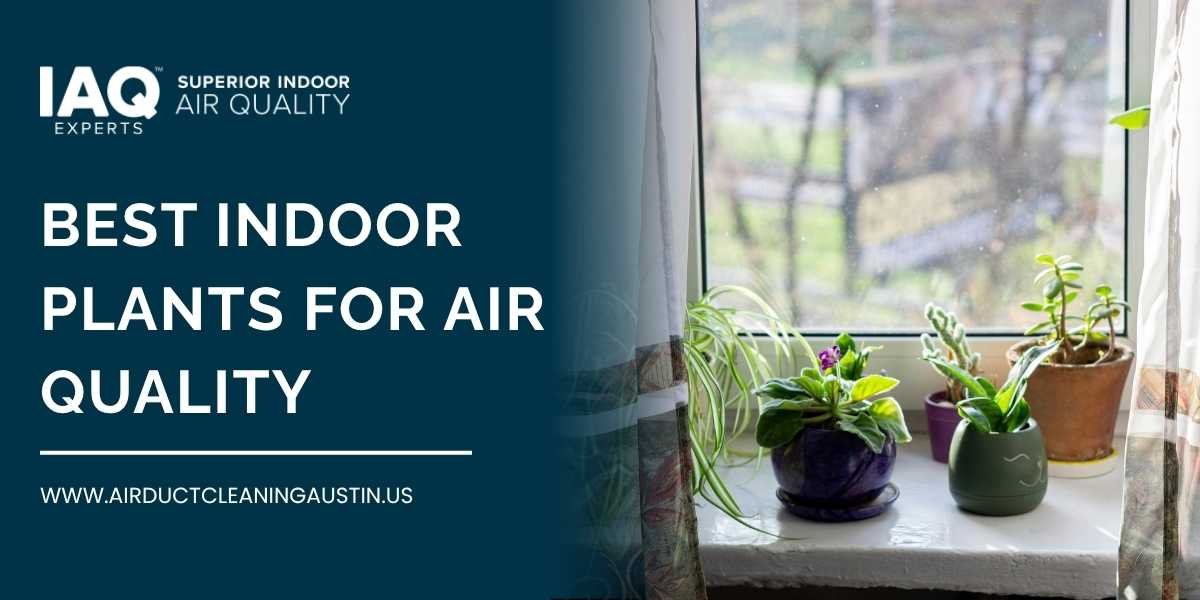
Best Indoor Plants for Air Quality
Even though their air-cleaning effects are limited, indoor plants still offer several benefits. They enhance aesthetics, support mental well-being, and can contribute modestly to a healthier environment. Here are some of the best options to consider:
1. Snake Plant
This is one of the easiest plants to care for. It thrives in low light and requires minimal watering. A unique feature is that it releases oxygen at night, making it a popular choice for bedrooms.
2. Spider Plant
A great option for beginners, the spider plant is hardy and adaptable. It’s also pet-friendly, which makes it ideal for households with animals. It may help reduce small amounts of airborne dust.
3. Peace Lily
Known for its elegant white blooms, the peace lily can absorb excess moisture and help reduce mild odors. It performs well in humid areas like bathrooms and kitchens.
4. Aloe Vera
Compact and low-maintenance, aloe vera is perfect for clean, minimal interiors. While its air-purifying ability is modest, it’s valued for its versatility and ease of care.
5. Areca Palm
This plant is excellent for adding moisture to dry indoor air. It can improve comfort levels, especially in air-conditioned spaces where humidity tends to drop.
What Plants Can’t Fix
This is where many homeowners develop unrealistic expectations. While plants are beneficial, they cannot address several major sources of indoor air issues.
Indoor plants do not remove:
- Dust buildup inside air ducts
- Pet hair trapped in ventilation systems
- Mold growth hidden within ducts
- Odors circulating through HVAC systems
These problems originate deeper within your home’s infrastructure. No matter how many plants you add, they won’t reach or resolve these hidden issues.
Why Your Air Still Feels Dirty
If your home still feels dusty or stale despite regular cleaning and the presence of plants, the root cause may lie elsewhere. Many homes experience ongoing air quality issues due to contamination within air ducts.
Common signs include:
- Dust blowing out of vents
- Frequent allergy symptoms indoors
- Persistent musty or stale odors
In these cases, the problem isn’t just the air—it’s what’s circulating through your ventilation system. Over time, ducts can accumulate dust, debris, and even mold, which then spreads throughout your living space.
The Missing Piece: Clean Air Ducts
While indoor plants provide visual appeal and minor environmental benefits, clean air ducts have a far more direct impact on the air you breathe.
Maintaining your duct system can:
- Reduce the amount of dust circulating in your home
- Improve airflow and overall ventilation efficiency
- Eliminate trapped odors at the source
Unlike plants, which work gradually and subtly, addressing your duct system tackles the root of the problem.
Final Thoughts
Indoor plants are a wonderful addition to any home. They bring life to your space, support a calming atmosphere, and offer small improvements to air quality. However, they are not a complete solution.
If you’re still dealing with dust, odors, or allergy symptoms, it’s important to look beyond surface-level fixes. The real issue may be hidden behind walls—in your air ducts and ventilation system.
For the best results, combine the natural benefits of indoor plants with practical maintenance like regular cleaning and proper airflow management. This balanced approach ensures your home feels as fresh and healthy as it looks.
Tip: Combine indoor plants with regular air duct cleaning for the best results.