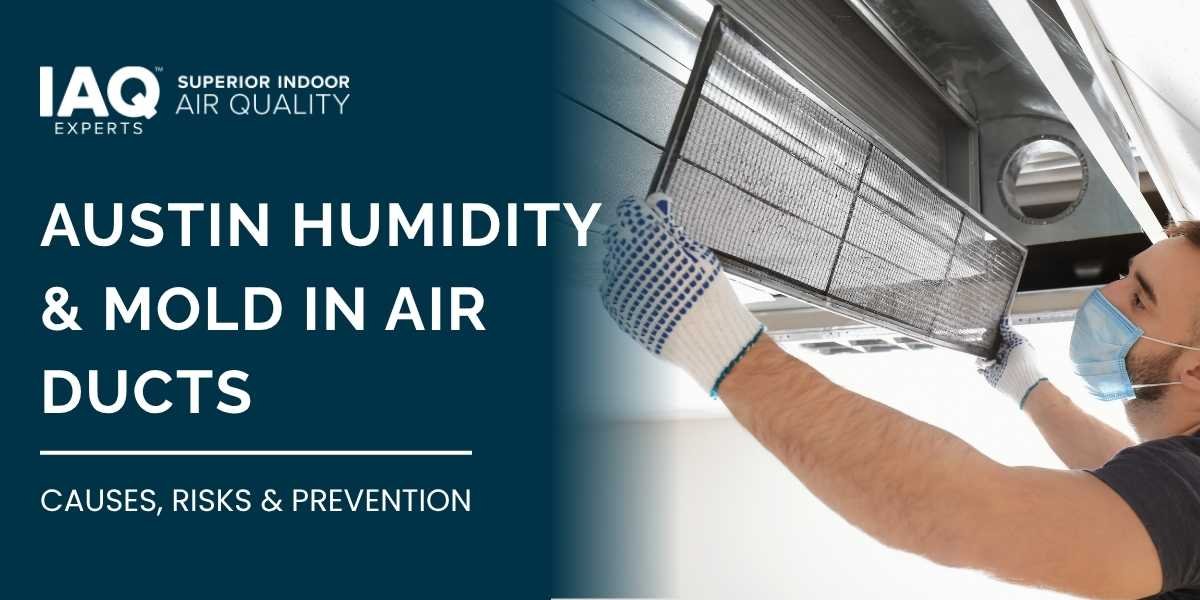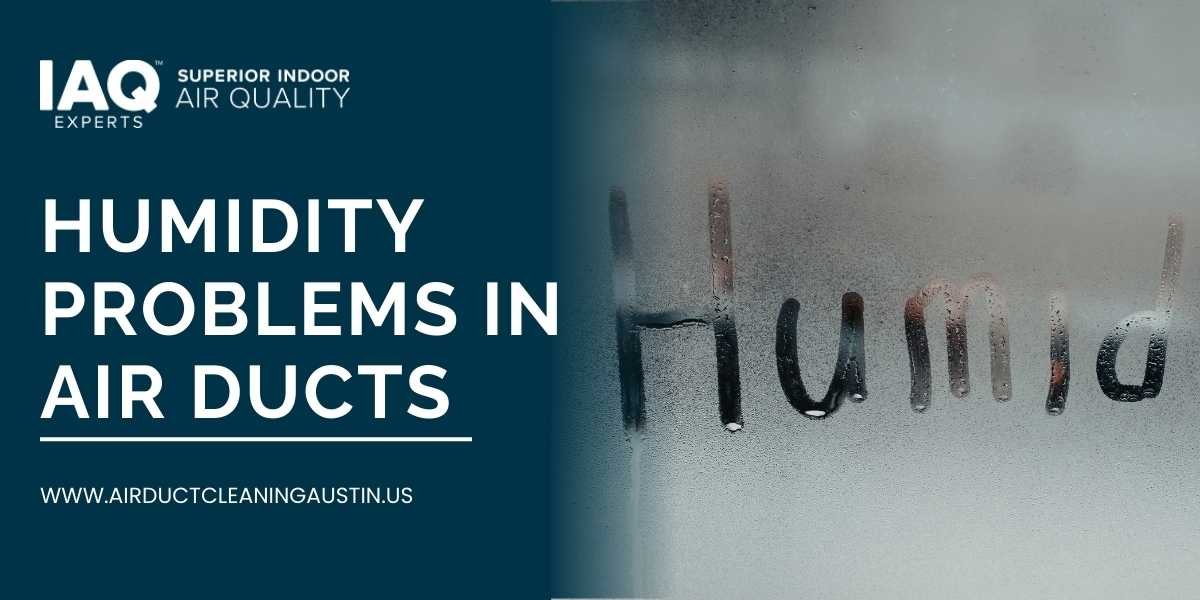
Humidity plays a major role in maintaining a comfortable and healthy indoor environment. When humidity levels inside a home become too high, it can affect more than just comfort—it can also impact your HVAC system and air ducts.
Excess moisture inside ductwork can lead to mold growth, poor air circulation, and reduced system efficiency. Understanding how humidity affects your air ducts can help you prevent problems and maintain better indoor air quality.
What Is Indoor Humidity?
Humidity refers to the amount of moisture present in the air. When humidity levels are balanced, indoor air feels comfortable and healthy. However, when humidity levels rise too high, the air becomes damp and sticky.
Most experts recommend keeping indoor humidity levels between 30% and 50%. This range helps maintain comfort while preventing issues like mold growth and excessive moisture buildup.
How High Humidity Affects Your Air Ducts
Mold and Mildew Growth
High humidity creates the perfect environment for mold and mildew to grow inside air ducts. When mold develops in ductwork, spores can spread throughout the home whenever the HVAC system runs. This can negatively affect indoor air quality and trigger allergies or respiratory problems.
Condensation in Ductwork
When warm, humid air passes through cooler air ducts, condensation can form. Over time, this moisture can accumulate and damage duct materials. Condensation also increases the risk of bacteria and mold growth inside the system.
Reduced HVAC Efficiency
Excess humidity forces HVAC systems to work harder to maintain comfortable temperatures. This extra strain can reduce efficiency, increase energy consumption, and shorten the lifespan of the system.
Dust and Debris Buildup
Moisture can cause dust, dirt, and other particles to stick to the interior surfaces of air ducts. This buildup restricts airflow and makes it harder for the HVAC system to distribute clean air throughout the home.
Signs of Humidity Problems in Air Ducts
There are several warning signs that humidity may be affecting your ductwork:
- Musty odors coming from air vents
- Visible mold around vents or ducts
- Excess moisture or condensation near HVAC components
- Increased allergy or respiratory symptoms
- Uneven airflow throughout the home
If you notice these signs, it may indicate excess moisture inside your air duct system.
Common Causes of High Humidity in Duct Systems
Several factors can lead to high humidity levels that affect air ducts, including:
- Poor ventilation in bathrooms and kitchens
- Leaky ductwork allowing humid air to enter
- Dirty or clogged HVAC filters
- Lack of proper insulation around ducts
- High indoor moisture from activities like cooking, showering, or laundry
Addressing these issues can help reduce humidity levels and protect your HVAC system.
How Air Duct Cleaning Can Help
Professional air duct cleaning can play an important role in controlling humidity-related problems. Cleaning removes accumulated dust, debris, and contaminants from the duct system, allowing air to flow more freely.
Regular duct maintenance can also help prevent conditions that allow mold and mildew to grow, improving overall indoor air quality and system performance.
Tips to Control Indoor Humidity
Homeowners can take several steps to manage humidity levels and protect their air ducts:
- Use a dehumidifier to remove excess moisture
- Replace HVAC filters regularly
- Ensure proper ventilation in kitchens and bathrooms
- Seal leaks in ductwork
- Schedule routine HVAC inspections and maintenance
Maintaining balanced humidity levels helps keep your home comfortable and your HVAC system running efficiently.
Conclusion
Humidity can significantly impact your air ducts, HVAC system, and indoor air quality. Excess moisture can lead to mold growth, reduced airflow, and higher energy costs. By monitoring humidity levels, maintaining proper ventilation, and scheduling regular air duct cleaning—such as services provided by IAQ Austin – Air Duct Cleaning—homeowners can help prevent these issues and create a healthier indoor environment.